
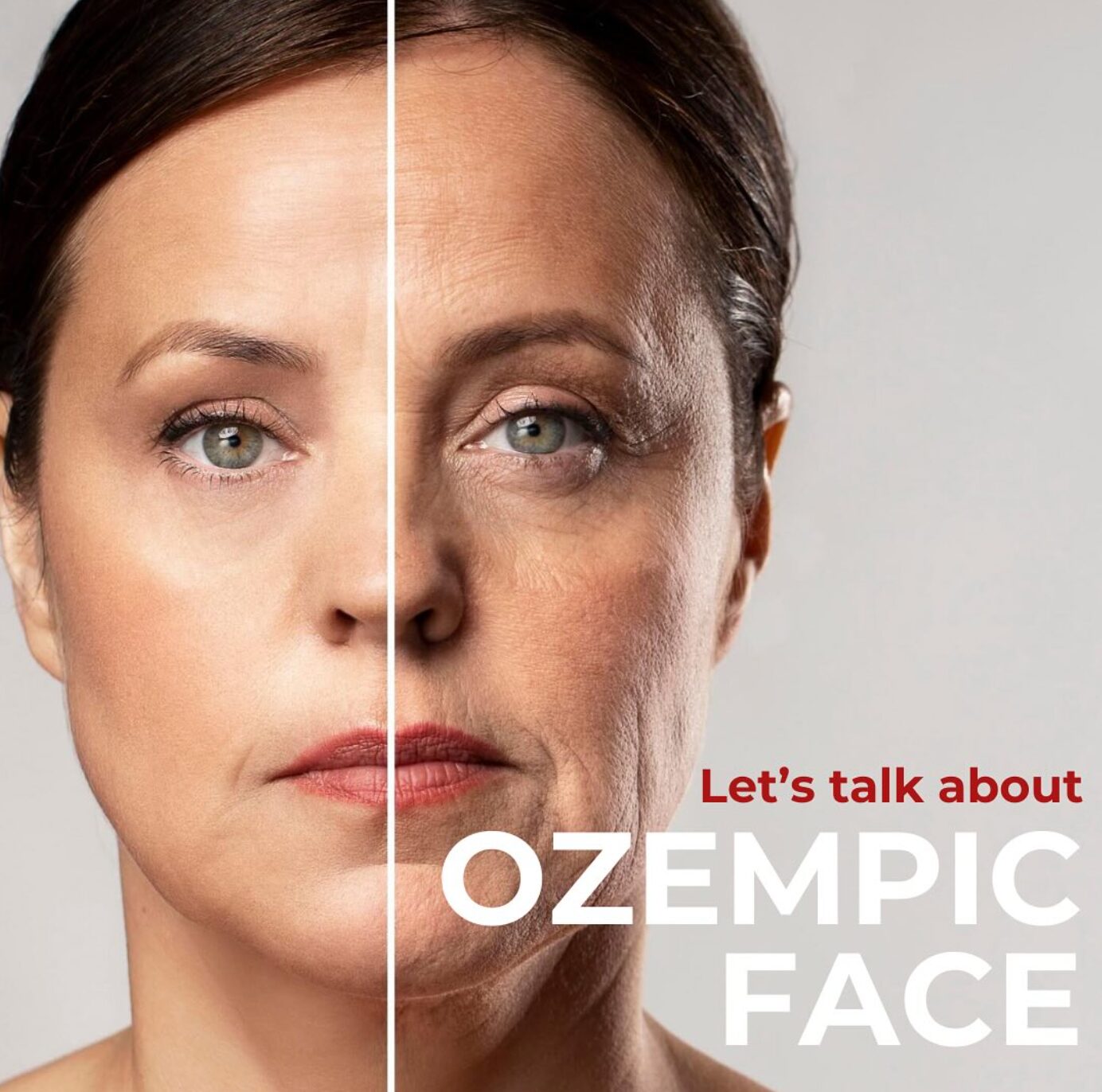
Ozempic is a prescription drug that has recently become increasingly popular as a weight loss agent as it helps reduce weight and excess body fat. However, it has been observed that its use can also be associated with certain unwanted side effects, especially fat loss on the face, a sunken facial appearance, and saggy, loose skin. To avoid these, various prevention strategies can be considered, from lifestyle changes to surgical and non-surgical aesthetic treatments.
Now you can find out how Ozempic works, why it causes the so-called “Ozempic face” and how to prevent this unpleasant side effect.
What is Ozempic?
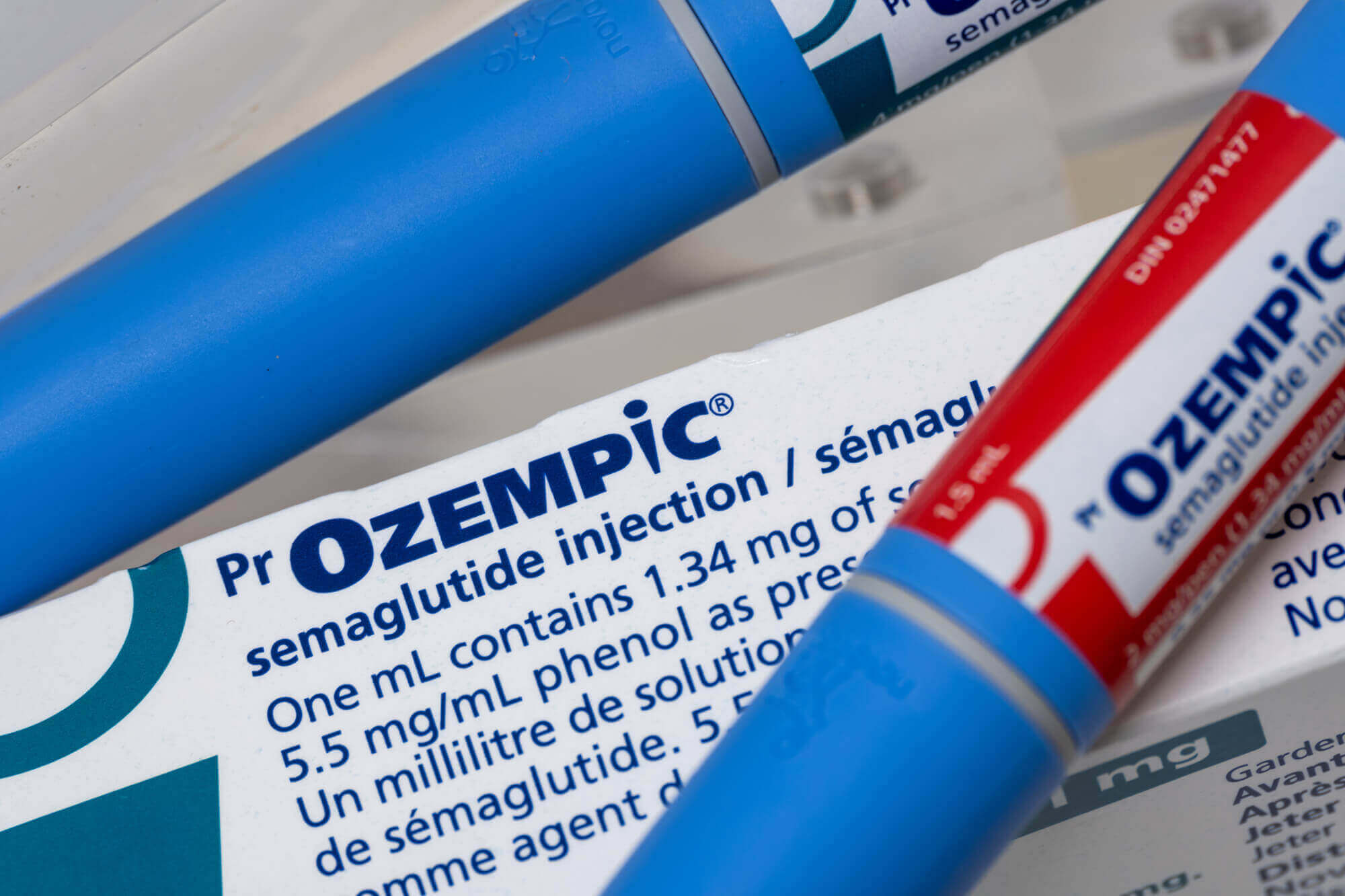
Ozempic is the brand name for the active ingredient semaglutide, which is primarily used to treat type 2 diabetes. It belongs to the group of GLP-1 receptor agonists. Ozempic mimics the action of the natural GLP-1 hormone, which helps regulate blood sugar levels.
This injectable is usually administered once a week to ensure a continuous release of the active substance. It stimulates insulin secretion and inhibits the release of glucagon, which together improve blood sugar regulation.
What is GLP-1?
Glucagon-like peptide-1 (GLP-1) is a hormone that plays a key role in regulating blood sugar levels and is part of the so-called incretin system. It is mainly produced by the intestines as a result of food.
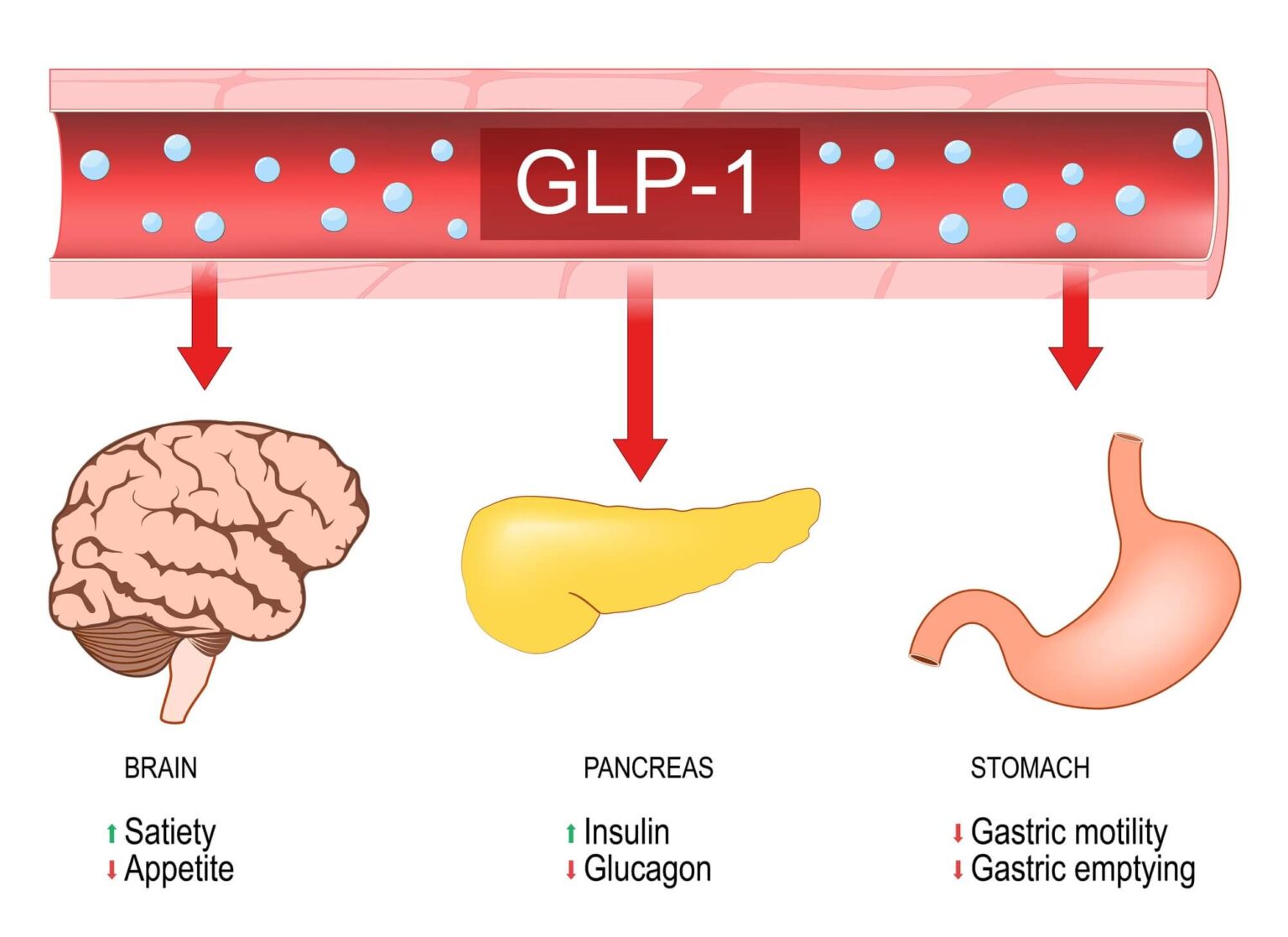
GLP-1 helps release insulin from the pancreas, which lowers blood sugar levels. It also inhibits the production of glucagon, thus preventing excessive glucose production in the liver.
In addition to blood sugar control, it also played an important role in weight management. As an agonist, the Ozempic GLP-1 receptor causes a feeling of fullness, reduces appetite and slows stomach emptying.
This not only improves blood sugar levels in diabetics, but can also promote weight loss.
Effects of Ozempic on weight loss
Although it was originally developed to treat type 2 diabetes, Ozempic has also been shown to be effective in weight loss. Studies have shown that it can result in significant weight loss in both diabetics and non-diabetics.
In clinical trials, participants experienced significant weight loss. As a result, the FDA approved a lower dose of Ozempic for chronic weight management in individuals with a BMI of at least 27 kg/m² and at least one weight-related disease.

As with any drug, it is important to take into account side effects and individual reactions, so a doctor’s consultation is definitely necessary before using it.
What is an “Ozempic face”?
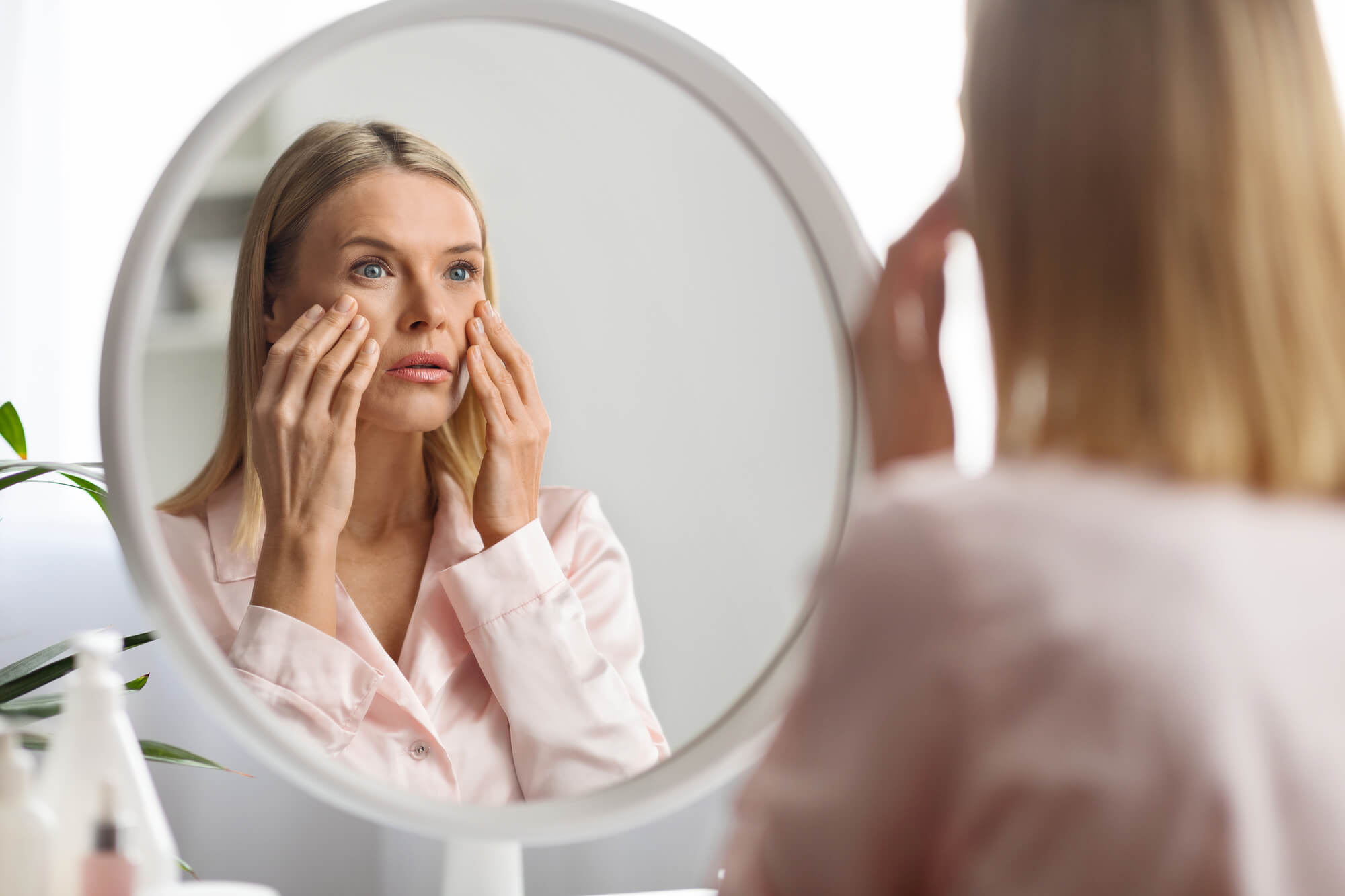
” Ozempic face” refers to facial changes that occur as a result of significant weight loss, often with the use of Ozempic.
Features:
- Sunken Skinny Portrait
- decrease in adipose tissue
- sagging skin
- aging appearance
This is especially noticeable around the jawline, chin, eye area, temples and mouth.
There is also the phenomenon of “Ozempic body”, which means loose, sagging skin on the arms and buttocks.
Important: these changes are not directly due to the effects of the drug, but as a consequence of rapid and significant weight loss.
According to doctors, the following factors also play a role:
- Natural aging
- Genetics
- Menopause
- Rate of weight loss
The recommended weight loss rate is 0.5–1 kg per week, so faster weight loss may be associated with greater aesthetic changes.
Prevention and treatment of Ozempic facial
Ozempic facial as well as Ozempic body prevention involves a variety of approaches, both medical and lifestyle-oriented. In general, prevention is a better strategy than correcting sagging afterwards.
Dose reduction or change of medication
Those who are concerned about the Ozempic face may want to talk to their healthcare provider about reducing their dose of Ozempic or trying medications that may have less aesthetic impact.
Lifestyle changes
A healthy lifestyle, including regular exercise and a balanced diet, can contribute to overall well-being and mitigate potential aesthetic effects on the appearance of the face. Staying hydrated by drinking one to two liters of water a day and ensuring a protein-rich diet will support skin health while losing weight.
Microneedling treatments
Also known as “collagen stimulation therapy”, microneedling treatments involve tiny needles stimulating collagen production, improving skin elasticity. This procedure helps to reduce the signs of aging, including wrinkles and sagging skin. By promoting collagen production in targeted areas, microneedle treatments can be proactive measures to prevent the effects of rapid weight loss associated with Ozempic on the face.
Fillers
Facial fillers injected into the skin effectively smooth wrinkles and fine lines, restoring lost volume. While they offer a non-surgical solution to counteract sagging and aging caused by weight loss, it is important to consider the associated costs.
The disadvantage of Ozempic-induced weight loss is that their effect is temporary, so they have to be repeated periodically for long-lasting results, and they are mostly costly procedures.
Sofwave™
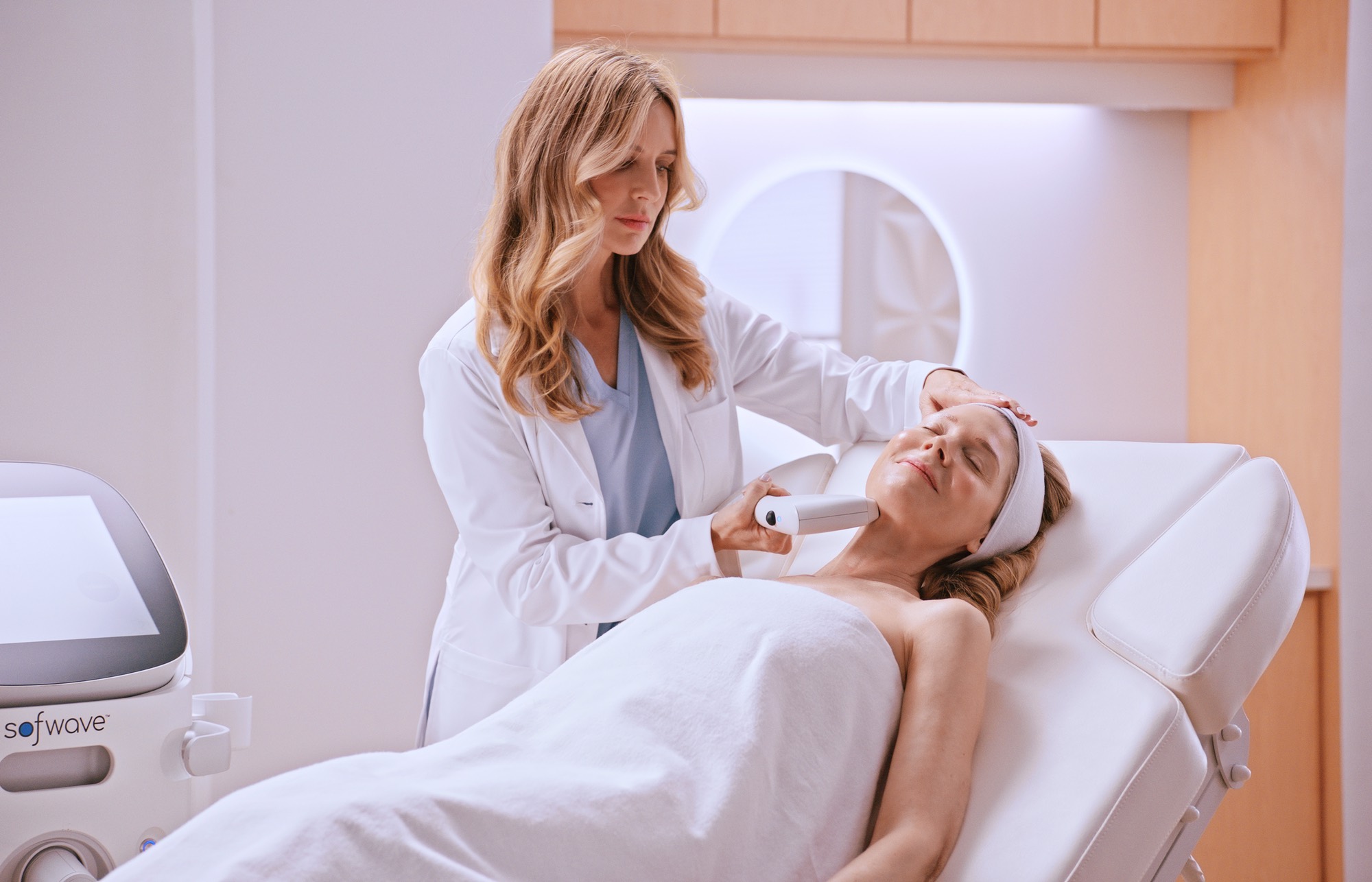
Sofwave™ is an advanced, effective, FDA-approved strategy to improve skin sagging that can help prevent Ozempic facial skin symptoms by addressing skin changes that occur during rapid weight loss.
An advanced, non-invasive procedure that uses ultrasound to:
- stimulates collagen, elastin and hyaluronic acid
- improves skin firmness.
Sofwave™ is clinically proven, safe on all skin types, and offers a quick treatment with minimal recovery time.
SUPERB™ technology helps prevent sagging during weight loss.
To learn more about the Sofwave™ facial, watch this video:
Fat transplantation (filling with own fat)
Fat taken from part of the body is injected into the face:
- natural effect
- Longer-term solution
Although more research is needed, it is a promising method for restoring facial volume.
Sofwave™ is also quoted by experts in Forbes
Leading estheticians, too, are increasingly recognizing Sofwave™ as a leading non-invasive solution for managing changes caused by rapid weight loss.
In a recent Forbes article, Dr. Lyle Leipziger, a certified plastic surgeon, recommended Sofwave™ to improve facial structure and skin quality in patients with an “ozempic face.” This further emphasizes Sofwave™‘s role in supporting a refreshed, youthful appearance without surgery.
Frequently asked questions about the “ozempic face”:
How much weight can you lose in 3 months with Ozempic?
The effects of Ozempic over three months vary, but many users experience significant results. Individual results also depend on factors such as diet and exercise.
What is the disadvantage of Ozempic?
The downsides of Ozempic can include gastrointestinal side effects such as nausea or diarrhea and, in rare cases, more serious problems. For personalized information, it is worth consulting a professional about it.
What does Ozempic do to the face?
Ozempic can lead to facial changes during rapid weight loss, often referred to as “Ozempic’s face,” which are associated with the loss of fat on the face, as well as its sagging.
What does Ozempic do to the stomach?
Ozempic may slow down the emptying of the stomach, which can potentially cause stomach-related side effects such as nausea or discomfort. In such a case, it is definitely worth contacting a healthcare professional for personalized advice.
Conclusion
The dual role of Ozempic in diabetes treatment and weight loss raises a number of considerations, including the interesting yet challenging phenomenon of the “ozempic face.” While the drug’s effectiveness in promoting weight loss is obvious, potential undesirable aesthetic changes require a proactive and informed approach. From medication modifications to lifestyle changes to innovative technologies like Sofwave™, professionals now have a variety of options to preserve facial aesthetics.
To learn more about how Sofwave™ can help you maintain a youthful, firm appearance, contact us or book an appointment online.
Medically reviewed by:
Michael H. Gold, M.D.
Dr. Michael Gold is the founder and medical director of Gold Skin Care Center, Advanced Aesthetics Medical Spa, The Laser & Rejuvenation Center, and Tennessee Clinical Research Center.

Dr. Gold is a certified dermatologist and dermatosurgeon who oversees various aspects of the Center’s operations; a combination of medical and surgical dermatology, cosmetic dermatology, aesthetic services and research endeavors. Dr. Gold has earned worldwide recognition for providing patients with cutting-edge technological advancements in dermatology and aesthetic skin care. Through its clinical research, it plays an integral role in the development of new pharmaceutical products and medical devices, and regularly presents the results at national and international dermatology and cosmetic conferences.
References:
- “What to know about “Ozempic face”,” Ami Patel PharmD, BCPS, Medical News Today, https://www.medicalnewstoday.com/articles/ozempic-face
- “What is ‘Ozempic face’? Significant weight loss on the drug can change your face, doctors say,” Maura Hohman, Today, https://www.today.com/health/ozempic-face-rcna67737
- “‘Ozempic Face’: What It Is And How To Treat It,” Amy Mackelden, Forbes, https://www.forbes.com/health/weight-loss/ozempic-face/
- “GLP-1 agonists: Diabetes drugs and weight loss,” M. Regina Castro, M.D., Mayo Clinic https://www.mayoclinic.org/diseases-conditions/type-2-diabetes/expert-answers/byetta/faq-20057955
- “Fat Transfer,” Cleveland Clinic medical professional, Cleveland Clinic, https://my.clevelandclinic.org/health/treatments/24027-fat-transfer
- “Microneedling,” Cleveland Clinic medical professional, Cleveland Clinic, https://my.clevelandclinic.org/health/treatments/23113-microneedling
- “Dermal Fillers,” Cleveland Clinic medical professional, Cleveland Clinic,, https://my.clevelandclinic.org/health/treatments/22667-dermal-fillers